
PROSTATE CANCER
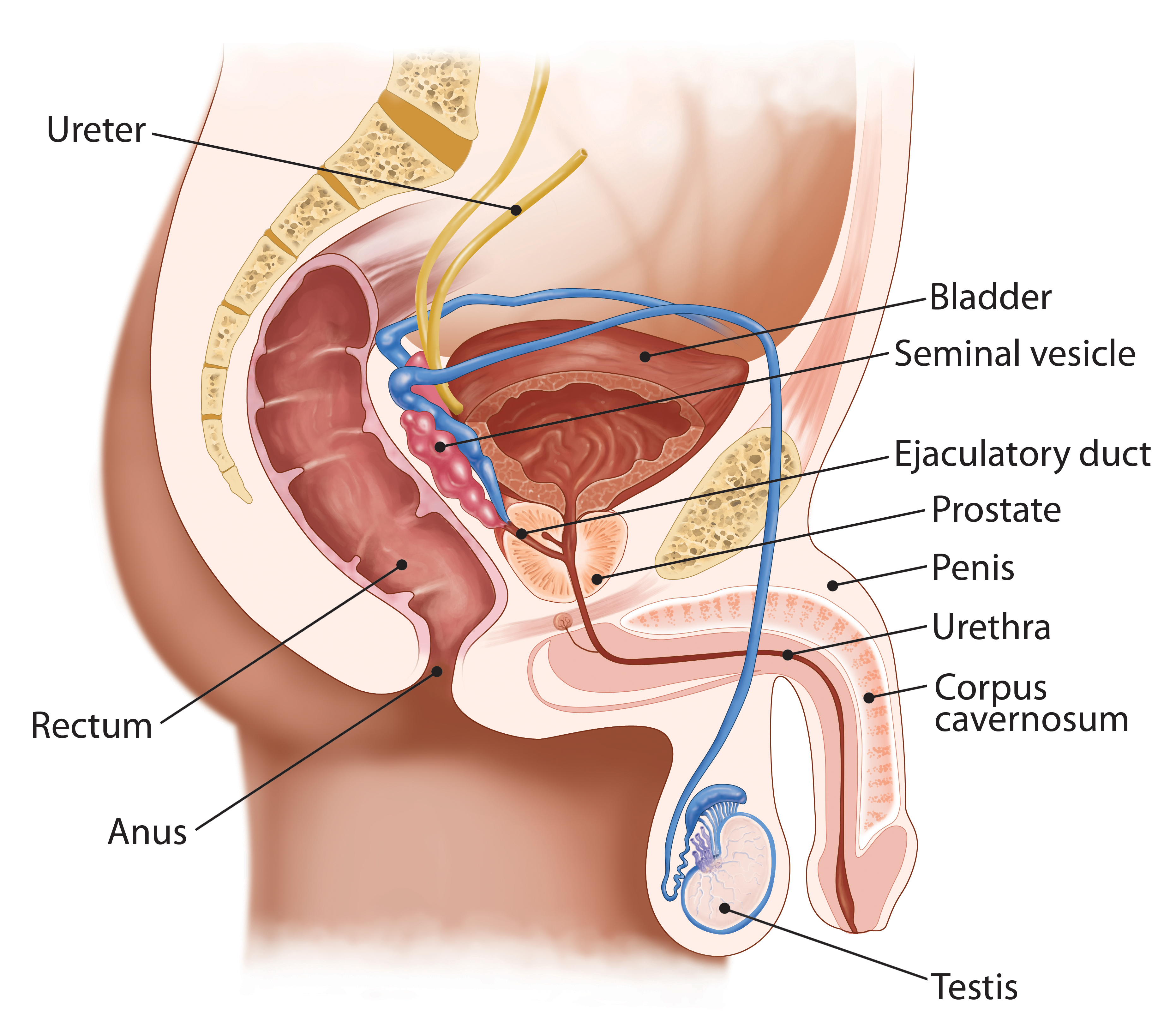
The prostate is a walnut-sized gland in men that is part of the
reproductive system.
The prostate sits low in the pelvis, below the bladder, in front of the rectum and it surrounds the urethra. The prostate gland makes seminal fluid, the liquid in sperm that protects, supports, and helps
transport sperm.
What is Cancer?
Cancer is a disease characterized by the uncontrolled growth and potential spread of abnormal cells. The human body is made up of trillions of cells that normally divide by the process of cell division to reproduce themselves. Sometimes, cells develop genetic mutations and abnormally divide at a faster rate than usual. Rapidly dividing cells can create a mass called a tumor. Some tumors are benign (noncancerous, with no potential to spread) and others are malignant (cancerous). The growth of a benign tumor may interfere with body functions, but these tumors are seldom life-threatening. On the other hand, malignant tumors invade and destroy normal tissue. By a process called metastasis, cells break away from a cancerous tumor and spread through the blood and lymphatic system to other parts of the body, where they form new tumors. Sometimes cancer grows and spreads rapidly, in other cases it develops and spreads slowly. Cancer cells have a longer lifespan compared to normal cells. These cells can replace healthy cells and impair the normal functioning of organs.
What is Prostate Cancer?
Prostate Cancer is the most common cancer and the second leading cause of cancer death in men. Prostate cancer begins when normal cells in the prostate begin to change and grow uncontrollably. Some prostate cancers grow slowly and may not cause symptoms or problems for years while other prostate cancers are more aggressive and grow quicker. Often there is no way to predict how aggressive a cancer is before a biopsy. However, there are multiple new biomarkers and genomic tests available that may aid in determining if cancer will be aggressive or not. Click below for more information about these biomarkers and genomic tests.
Prevalence of Prostate Cancer
About 300,000 new cases of prostate cancer occur in the United States each year and approximately 30,000 men die from the disease. Other statistics to consider are:
- Second leading cause of cancer death in men
- 1 in 8 American men will get prostate cancer in their lifetime
- About 1 in 44 men will die of this disease
- Prostate cancer is nearly 100% survivable if caught early
Men aged 40, who have a family history of cancer, and older men with at least a 10-year life expectancy should talk with their healthcare provider about having a baseline digital rectal exam of the prostate gland and a prostate-specific antigen (PSA) blood test.
Most prostate cancers are discovered in the local (confined to the prostate) stage; the 5-year relative survival rate for patients whose tumors are diagnosed at the earliest stages of the disease is nearly 100%.
Prostate Cancer Risk Factors
Age
The risk of prostate cancer increases with age. Most cases are diagnosed in men over the age of 65.
Ethnicity
Blacks or African Americans are more likely to develop prostate cancer than other races. Prostate cancer is more aggressive and advanced in black people and likely to occur at an earlier age. Black people are also twice as likely to die from prostate cancer.
Family History
Men with a family history of prostate, breast, ovarian, colon, or pancreatic cancers may be at an increased risk of prostate cancer.
Genetic Mutations
Having an inherited genetic change in the BRCA1, BRCA2 gene increases the risk of getting prostate cancer. Genetic abnormalities that aren’t inherited can also occur.
Diet and Lifestyle
Eating foods high in fat has been linked with increased risk for prostate cancer. Eating more fruits and vegetables may reduce this risk. Exercise may also decrease the likelihood of dying from prostate cancer. On the other hand, smoking and obesity increase the risks of developing prostate cancer and dying
from it.
Chemical Exposure
Exposure to certain chemicals such as pesticides and herbicides may have higher than average rates of prostate cancer. Veterans who were exposed to the defoliate Agent Orange are 49% more likely than non-exposed veterans to be diagnosed with prostate cancer.
Occupational Exposure
Certain occupations expose people to chemicals that may increase the risk of cancer and other chronic health conditions. Firefighters, first responders, and pilots are three groups with well-documented concerns.
Prostate Cancer Symptoms
In its early stages, not everyone experiences signs or symptoms of prostate cancer. It is more likely to experience symptoms in the later stages of prostate cancer. However, you should go to your doctor if you experience any of these symptoms because it could also be a sign of other prostate conditions.
- Finding blood in the urine or semen
- Burning or pain while urinating
- Unexplained weight loss
- Pain in hips, lower back, and bone.
- Problems passing urine, such as intermittent or weak stream.
Early Vs. Advanced Stages of Prostate Cancer
Prostate cancer can be grouped into early-stage cancer or advanced-stage cancer.
Early Stage
Early-stage prostate cancer is found within the prostate. The cancer usually grows slowly and stays in the prostate. Cancer found only in the prostate is called localized prostate cancer. Early-stage prostate cancer is highly treatable and often curable. Early detection and treatment of prostate cancer increases the chances of curing the cancer. Most people with early-stage disease live without cancer for many years, usually the rest of their lives. Associated treatments for early-stage prostate cancer include surgery, radiation, and hormone therapy, among others. In cases where treatment is not needed, active surveillance is used to monitor disease.
Advanced Stage
Advanced stage means the cancer has moved beyond the prostate to other areas in the body. This movement is known as metastasis or metastatic cancer. Prostate cancer can metastasize to the bones, lymph nodes, liver, lungs, and other organs. Cancer that has spread from the prostate gland to nearby lymph nodes, but no farther, is called regional metastatic prostate cancer. Cancer that has spread beyond the prostate and the regional lymph nodes is called distant metastatic prostate cancer. It is usually a life-long disease. However, treatment can slow down its growth, reduce symptoms, and prolong your life. Treatments for advanced-stage prostate cancer include surgery, radiation therapy, chemotherapy, and hormone therapy. Many people with advanced-stage prostate cancer continue to live their lives with cancer until they die from something else. Early detection and treatment can greatly reduce the chances of getting advanced-stage prostate cancer.