PROSTATE BIOPSY
If your PSA test is high or your doctor feels an abnormal area during a digital rectal exam (DRE), they may recommend a prostate biopsy. A biopsy is the only way to confirm whether prostate cancer is present.
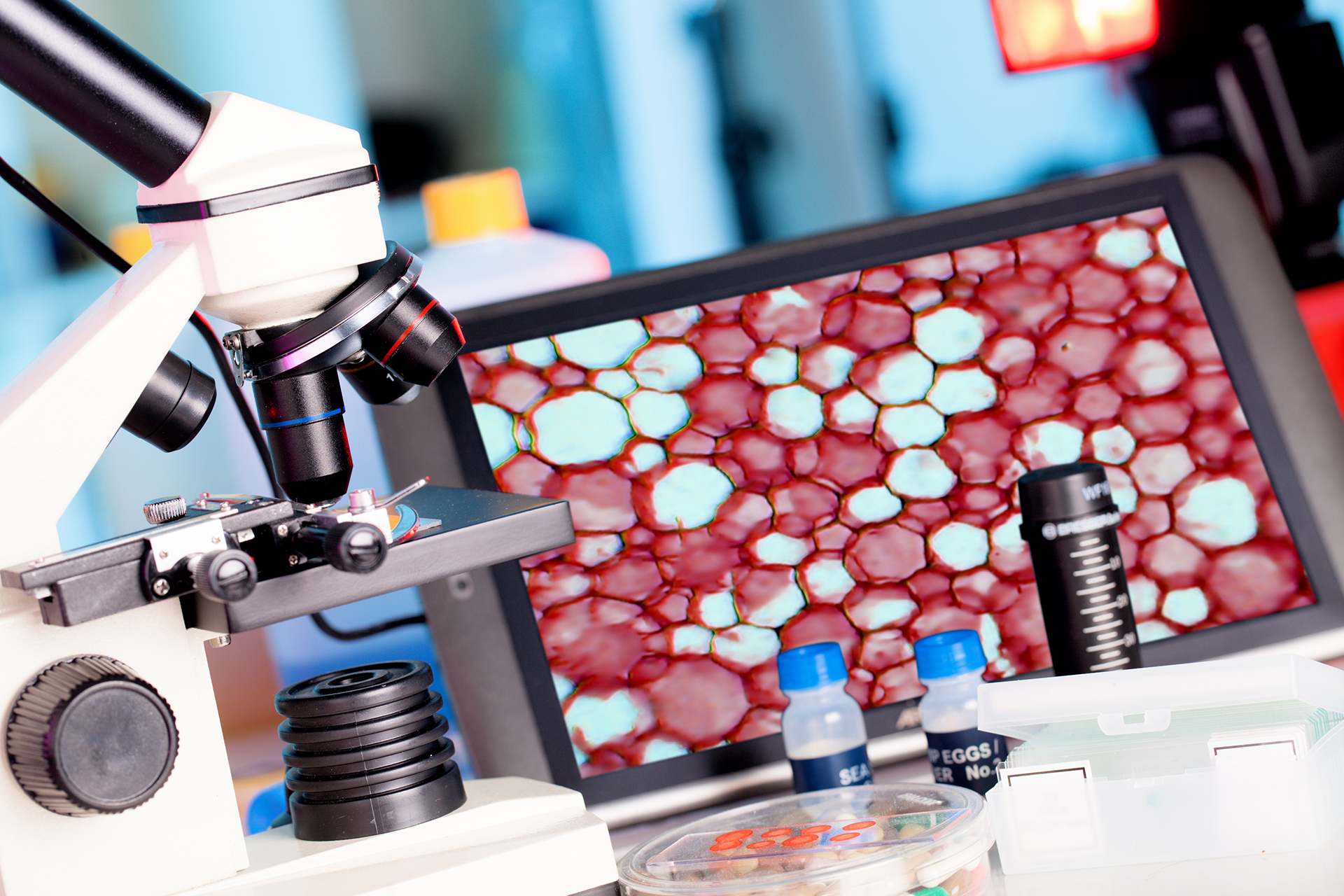
During the procedure, small samples of prostate tissue are taken using a thin needle. These samples are examined under a microscope to look for cancer cells and determine how aggressive they may be (the Gleason Score).
A biopsy is usually done in the doctor’s office with local anesthesia, and most patients go home the same day. It’s important to know that a biopsy can sometimes miss cancer if the affected area wasn’t sampled, so follow-up testing may still be needed.
Core Needle (Standard 12-Core) Biopsy
This is the most common type of biopsy.
-
Guidance: An ultrasound probe (TRUS) helps the doctor map the prostate but doesn’t always show visible tumors.
-
Samples: About 12 small cores are taken from different zones of the prostate.
-
Approach: The biopsy needle enters either through the rectum (transrectal) or the skin between the scrotum and anus (transperineal).
-
Anesthesia: Local numbing or light sedation. General anesthesia isn’t needed.
Although this method is standard, it only samples a small portion of the prostate, so very small cancers can occasionally be missed.
Fusion (MRI Guided) Biopsy
A fusion biopsy combines MRI and ultrasound images to more accurately target suspicious areas.
-
Before the biopsy: An MRI scan identifies abnormal regions in the prostate, which are scored from 1 to 5 using the PI-RADS system (higher scores are more concerning).
-
During the biopsy: The ultrasound image taken in real time is “fused” with the MRI, guiding the doctor precisely to the area of concern.
There are two main types of fusion:
-
Cognitive fusion: The doctor visually matches the MRI and ultrasound images.
-
Mechanical fusion: Specialized software aligns (or “registers”) the MRI and ultrasound images automatically for even greater accuracy.
Fusion biopsies can help find cancers that standard methods might miss, though they may not be available in all areas.
POSITIVE BIOPSY RATE
In about 50% of the cases, the biopsy comes back as negative and no cancer. As we previously discussed, the traditional sextant TRUS, the current standard of care for prostate biopsy, only samples about 1% of the total gland. So a negative biopsy does not mean that there is no cancer and thus urologists continue to follow PSA values.